



Mixed Washing Cleaning Cloths
Jun 19, 2026
Leave a message
Based on the principles of using specific cloths for specific tasks and washing them according to material type, it is not recommended to wash cleaning cloths of different materials together. Mixed washing poses several risks; the specific reasons and precautions are outlined below:
Key Risks of Mixed Washing
Risk of Cross-Contamination: Cloths exposed to heavy grease or bathroom grime can transfer pathogenic bacteria and stubborn stains to other cloths. This can lead to bacterial residue on tableware or furniture surfaces during subsequent use, increasing the risk of foodborne illnesses.
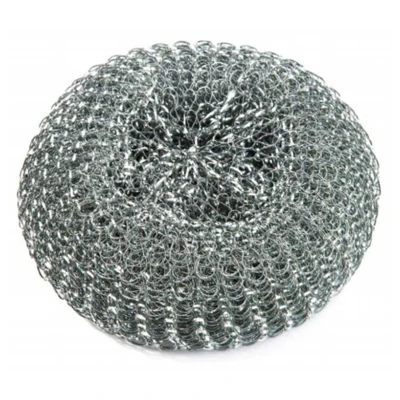
Material Damage: Abrasive scouring pads (such as those with emery/carborundum) or stiff-fiber cloths can scratch softer materials like microfiber or sponges. This causes shedding and damages the fiber structure, making it likely that scratches will be left on glass or tableware surfaces during future cleaning.
Reduced Cleaning Efficiency: Different materials require different types of detergents. During mixed washing, heavy grease consumes a large amount of the detergent's active ingredients, reducing overall cleaning performance by approximately 30% and preventing stubborn stains on some cloths from being fully removed.
Color Bleeding and Accelerated Aging: Materials vary in colorfastness, making color bleeding a common issue during mixed washing. Additionally, harsh cleaning agents-such as chlorine-based disinfectants-can accelerate the aging of corrosion-sensitive materials, significantly shortening the lifespan of the cleaning cloths.

Special Exceptions
Centralized washing and disinfection are permissible only in professional settings (such as medical facilities) that follow standardized protocols requiring high-temperature washing above 75°C (A0 value > 600) for all color-coded or zone-specific cleaning cloths. This ensures uniform disinfection standards and prevents cross-contamination. However, this method is **not recommended** for routine household cleaning.
Send Inquiry