


Structural Features of Mop Handles
May 11, 2026
Leave a message
Handle Shaft Design
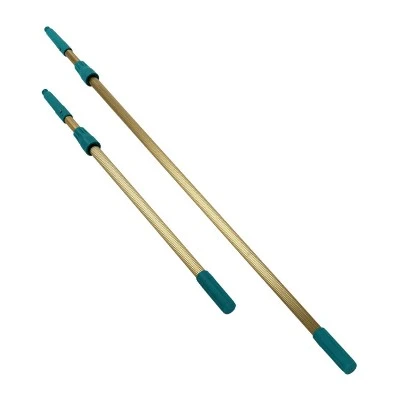
Common materials include metal, wood, bamboo, and plastic; the thickness and length directly affect handling. Thinner shafts are lightweight and agile, making them suitable for home use, while thicker shafts are sturdy and durable, ideal for commercial settings. Bamboo handles offer high hardness and resistance to cracking, aligning with eco-friendly "bamboo-over-plastic" standards. Telescopic models feature an inner-outer shaft sliding mechanism with a locking clip or twist-lock to adjust length according to the user's height.
Handle Head Design
Designs fall into fixed and replaceable categories; fixed types offer structural stability for daily household use, while replaceable types suit heavy-duty cleaning tasks. Flat heads conform better to the floor surface, improving cleaning efficiency in corners; some rotating models allow 360-degree movement, enabling cleaning deep within crevices.
Connector Design
Mainstream options include threaded and quick-release clip connections. Quick-release clips offer ease of use and durability, allowing for tool-free, rapid attachment and detachment of the mop head while enhancing overall stability.
Special Functional Structures
Rotating mop handles feature an internal gear-and-linkage transmission that converts downward pressure into rotational force, enabling hands-free wringing. Crank-style mop handles incorporate a crank-rocker mechanism that drives the mop head in an S-shaped path, reducing the need for bending and physical exertion. PVA sponge mop handles integrate a pull-rod, rollers, and an elastic return mechanism, utilizing leverage principles to ensure uniform water squeezing.
Send Inquiry